Your First Mirrorless Camera: Sony, Canon, Fujifilm or Nikon?
Sensor size, lenses, autofocus and ecosystem: a beginner-friendly guide to choosing a mirrorless camera, with the strengths of each major brand.
In this article
Smartphones take terrific photos, so why buy a camera? The answer comes down to control and quality. A dedicated camera has a much larger sensor, interchangeable lenses and physical controls that make learning photography a pleasure. And thanks to mirrorless technology, cameras have become smaller, lighter and easier to use than the DSLRs of the past.
This guide explains what matters and how the major brands differ, without drowning you in model numbers. Camera lineups turn over regularly, so check current models and reviews before you buy.
Why mirrorless?
Mirrorless cameras replace the mirror and optical viewfinder of a DSLR with an electronic viewfinder and screen. The advantages for beginners are significant:
- What you see is what you get. The viewfinder shows exposure and color before you press the shutter.
- Advanced autofocus. Eye and subject tracking make portraits and pets easier to capture.
- Smaller bodies and lenses, at least at the entry level.
- Strong video features, including 4K recording.
- Active development. Brands have moved most of their new lens and camera development to mirrorless systems.
Understand sensor sizes
| Sensor | Typical size | Pros | Cons |
|---|---|---|---|
| Micro Four Thirds | Smaller | Compact bodies and lenses | Less low-light performance |
| APS-C | Medium | Great balance of quality, price and size | Not quite as strong in very low light as full-frame |
| Full-frame | Large | Best low-light and shallow depth of field | Larger, heavier and more expensive |
For most beginners, APS-C is the best balance. It offers excellent image quality at a friendlier price, and lenses are smaller than for full-frame systems.
What each brand does well
- Sony. Known for class-leading autofocus and a huge lens catalog, including third-party options. The ZV series is popular with vloggers, and the A6000 line is a favorite among enthusiasts.
- Canon. Renowned for approachable, user-friendly design and pleasing colors. Its entry-level EOS R line is easy to pick up and has strong autofocus and good ergonomics.
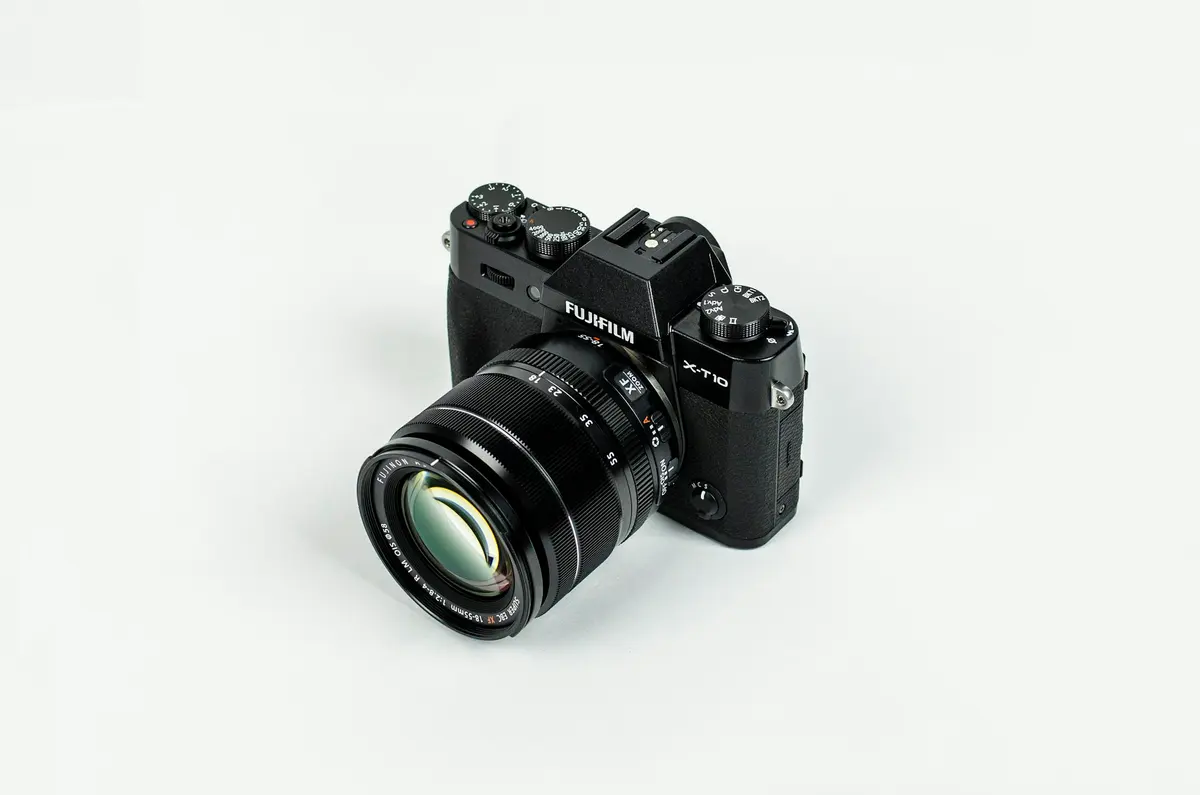
- Fujifilm. Loved for its retro-style bodies with physical dials, beautiful color and film simulations that give JPEGs a distinctive look. Its X-series cameras are a joy to use if you enjoy the process.
- Nikon. Offers solid handling, excellent image quality and strong lens options. Its Z series includes retro-styled models as well as more conventional bodies.
- Panasonic and OM System. Excellent for Micro Four Thirds fans who value compact size, video features and weather sealing.
Lenses matter more than the body
Bodies are replaced every few years, but lenses can last for decades. When you buy into a system, you commit to its lens mount, so check:
- What lenses are available, including affordable primes with wide apertures such as a 35 mm or 50 mm.
- Third-party support. Companies like Sigma and Tamron make excellent lenses for some systems.
- Second-hand availability, which can save a lot of money.
- Kit lens quality. A versatile zoom lens is a good starting point, but you may want to upgrade later.
A fast prime lens is one of the best upgrades a beginner can make. It creates the blurry-background look that phones often imitate, and it works well in dim light.
Features to prioritize
- Autofocus. Look for face and eye detection, and tracking for moving subjects.
- Ergonomics. Hold the camera before you buy. A comfortable grip and logical controls encourage you to shoot.
- Screen and viewfinder. A tilting or flipping screen helps with vlogging and low-angle shots.
- Battery life. Mirrorless cameras use more power than DSLRs, so consider a spare battery.
- In-body stabilization. Helps with handheld video and low-light photography.
- Connectivity. Easy transfer to your phone makes sharing simple.
- Video specs. If you plan to record video, check for 4K and useful microphone inputs.
Accessories to budget for
- A fast memory card.
- A spare battery.
- A comfortable strap or bag.
- A lens cleaning kit.
- A tripod for low-light and long exposures.
- A UV or protective filter, if you like an extra layer on your lens.
Save money
- Buy last year's model. New releases often bring modest improvements, and the outgoing camera can be a bargain.
- Look for kit bundles that include a lens and accessories.
- Consider used or refurbished gear from reputable dealers with warranties.
- Use trade-in programs if you are upgrading.
- Check the seller. Gray-market cameras may not carry a manufacturer warranty. See our scam awareness guide.
Quick recommendations by user type
- Absolute beginner: an entry-level Canon or Nikon with a kit lens.
- Aspiring vlogger: a Sony ZV-style camera with a flip-out screen and good audio options.
- Style-conscious photographer: a Fujifilm X-series camera with film simulations.
- Travel and street photographer: a compact Micro Four Thirds body or a small APS-C camera with a pancake lens.
The takeaway
The best beginner camera is the one you will carry and use. Choose a comfortable APS-C mirrorless body, start with a kit lens, add a fast prime when you are ready, and treat the brand as an investment in a lens system. Then go out and shoot.
Product lineups, prices and availability change often. Check current specs and retailer terms before you buy. See our editorial policy and affiliate disclosure.