Dyson vs Shark: Is the Premium Vacuum Worth the Price?
Dyson costs more, but is it better? We compare suction, filtration, pet hair, batteries, warranties and running costs to find which vacuum suits your home.
In this article
Dyson turned the vacuum cleaner into a status symbol. Shark turned it into an everyday bargain. When two brands sit at opposite ends of the price ladder, shoppers understandably ask whether the extra cash buys anything real or just a nicer logo.
We compared the two using manufacturer specifications, published professional tests and patterns in verified-owner feedback. Individual model results vary, so use this as a guide to how each brand tends to behave.
What each brand stands for
Dyson made its name with bagless cyclonic technology and has invested heavily in cordless vacuums, from the lightweight V-series to more powerful flagship models with sensors that show how much dust you are collecting. Its design emphasises strong suction, sealed filtration and premium materials. Some models add a laser or optical feature that reveals fine dust on hard floors.
Shark focuses on value and features. Its range includes corded uprights with lift-away pods, cordless sticks, pet-hair specialists and combination vacuum-mop machines. Anti-hair-wrap brush rolls are a highlight, and the brand frequently packages accessories and extra attachments at prices that undercut premium rivals.
Head-to-head
| Dyson | Shark | |
|---|---|---|
| Price tier | Premium | Budget to mid |
| Suction and cleaning power | Consistently strong | Strong on carpets, especially uprights |
| Pet hair | Very good with the right brush bar | Excellent; anti-hair-wrap designs are a strength |
| Filtration | Sealed HEPA filtration on many models | HEPA available, varies by model |
| Battery (cordless) | Good; user-replaceable on many models | Good; some models include a spare or swappable pack |
| Build and finish | Premium feel, tighter tolerances | Solid, more plastic in places |
| Warranty | Typically a couple of years on cordless | Varies from one to five years by model |
| Repair and parts | Broad parts network | Broad availability, mostly through retailers |
Warranty terms change by product and region, so confirm what is offered before purchase.
Real-world performance
On hard floors, the two brands can be close. The difference shows up in the details: how well the machine seals dust in the bin, how fine debris is handled and how comfortable the tool is after twenty minutes of use. Dyson tends to feel more balanced and polished, especially in its lighter models.
On carpets and pet hair, Shark often punches above its price. Its self-cleaning brush rolls solve a chore many owners hate, which is cutting tangled hair off the roller. If you have long-haired people or shedding pets in the house, this feature alone can tilt the choice.
Battery life and running costs
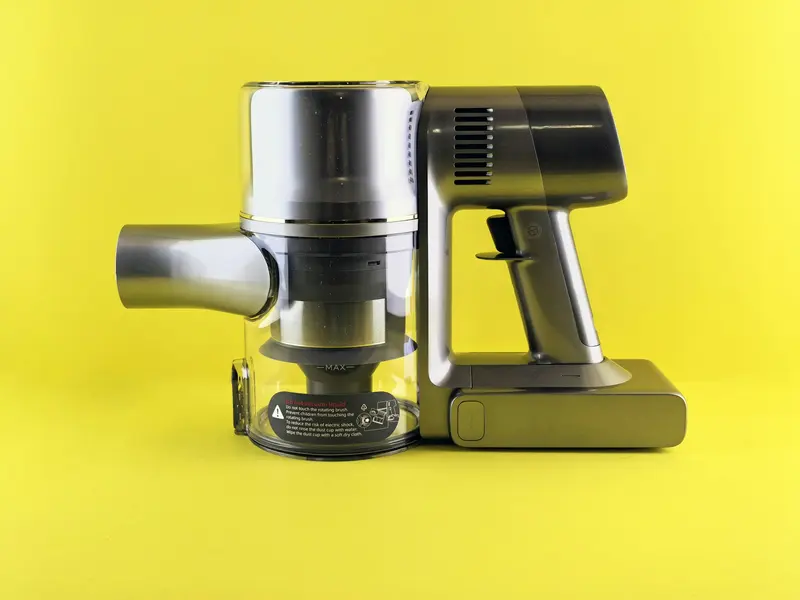
Cordless vacuums are only as good as their batteries. Manufacturers quote run times at the lowest power setting, which is not how most people vacuum. In real use, expect far shorter runs at higher suction levels. If your home is large, check that your chosen model has a swappable battery or plan to work in zones.
Running costs are modest for any vacuum, but replacement filters and batteries add up over time. Wash-and-reuse filters lower costs; a replaceable battery is a strong reason to spend more up front because it extends the machine's life.
Who should buy which
Choose Dyson if:
- You value a lightweight, refined tool you will use daily.
- Allergies matter and you want well-sealed filtration.
- You would like long-term parts support and a premium finish.
Choose Shark if:
- You want the best value for the money.
- You have pets, long hair or thick carpets.
- You prefer a corded upright that never runs out of power.
Also consider: Bissell, Miele, Samsung and robotic vacuums from iRobot or Roborock. If floors are mostly hard and you want hands-free cleaning, a robot may suit you better than any stick.
Buying tips
- Measure your home. A small apartment can live happily on a compact stick; a large house may prefer an upright or a spare battery.
- Check the bin size. A tiny bin means constant emptying.
- Read the return policy. Test the machine on your own floors during the return window.
- Compare last year's models. Retailers regularly discount previous generations.
- Do not overlook attachments. Crevice tools and motorised pet heads matter as much as raw suction.
Sales events are a good time to pick up either brand; our Black Friday shopping strategy shows how to verify a discount is real.
The verdict
Dyson is the better-made machine, and if you can afford it and plan to keep it for years, it earns its price. Shark is the smarter buy for most households, especially those with pets. The right choice depends less on brand pride than on your floors, your budget and your patience for emptying dust bins.
Product lineups, prices and availability change often. Check current specs and retailer terms before you buy. See our editorial policy and affiliate disclosure.