How to Buy Perfume: A Beginner's Guide from Designer to Niche
Notes, concentrations, families and testing tips: everything you need to choose a fragrance you will love, without blind-buying a bottle you regret.
In this article
Buying perfume is one of the most personal shopping experiences there is. Nobody else smells a fragrance on your skin the way you do, and the difference between a gorgeous scent and an expensive mistake can be as simple as a few hours of wear. That is why fragrance rewards patience.
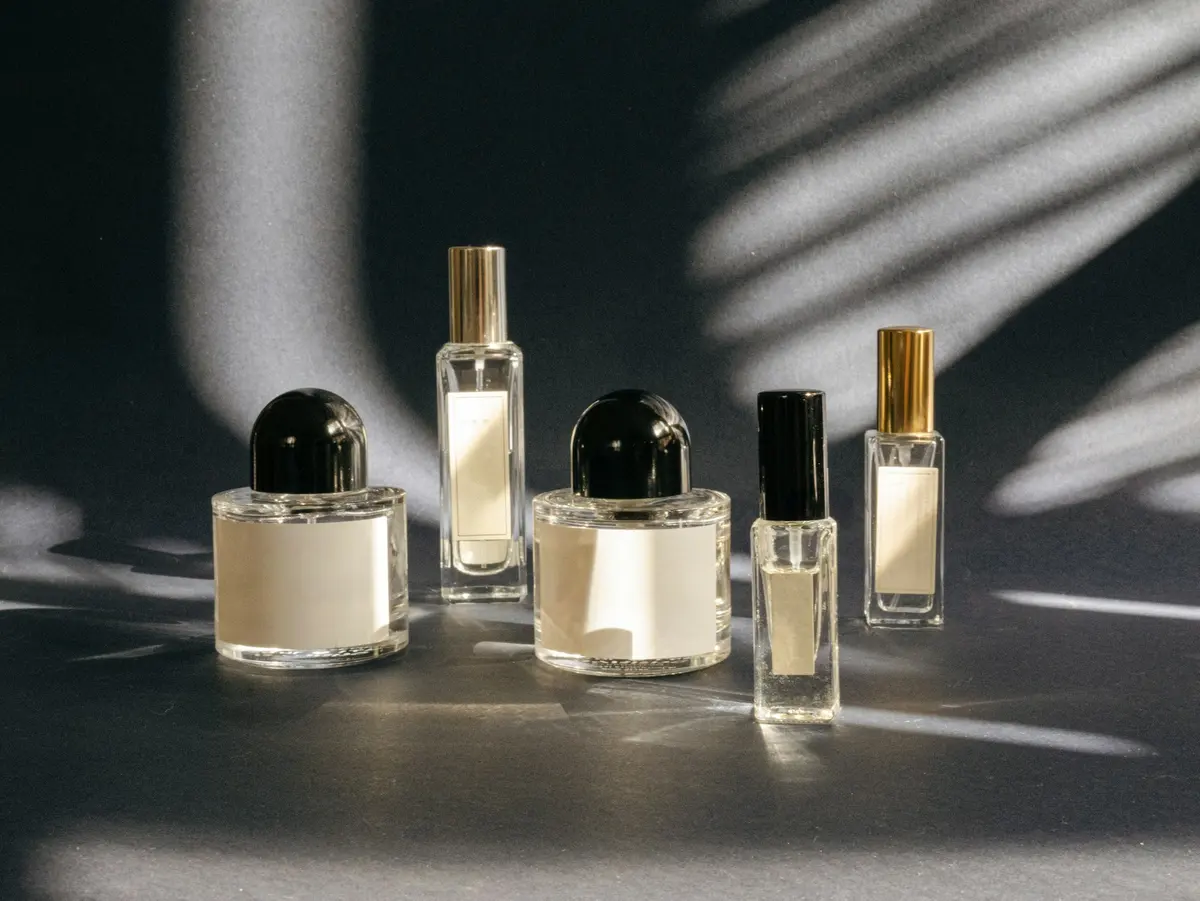
This guide explains the basics so you can shop confidently, whether you are eyeing a designer classic from Chanel or Dior, a niche brand such as Byredo or Le Labo, or an affordable option from a mass-market label.
Understand concentration
Fragrance strength is determined by how much perfume oil is in the formula. Higher concentration usually means longer wear, and often a higher price.
| Type | Typical oil concentration | Wear time | Notes |
|---|---|---|---|
| Parfum / Extrait | Around 20 to 40% | Longest | Rich, intimate, expensive |
| Eau de Parfum (EDP) | Around 15 to 20% | Long | The most popular balance of price and strength |
| Eau de Toilette (EDT) | Around 5 to 15% | Moderate | Lighter and fresher, ideal for daytime and warm weather |
| Eau de Cologne | Around 2 to 4% | Short | Very light and refreshing |
These ranges are general guidelines. Brands vary, and a well-made EDT can outlast a weak EDP.
Learn how a fragrance unfolds
A perfume evolves in three stages, often called notes.
- Top notes are what you smell first, such as citrus, herbs and light fruits. They fade within minutes.
- Heart notes appear after the top notes settle. They include florals, spices and green notes, and last for a few hours.
- Base notes anchor the fragrance and include woods, musks, amber and vanilla. They linger for hours.
The final stage is called the dry-down, and it is what you will actually smell for most of the day. Never judge a perfume by its first spray.
Find your fragrance family
Most perfumes fall into a few broad families.
- Fresh: citrus, aquatic and green scents. Clean and bright.
- Floral: rose, jasmine, peony and others. From delicate to dramatic.
- Woody: sandalwood, cedar and vetiver. Warm, grounded and often unisex.
- Oriental or amber: vanilla, resin and spice. Rich and cozy.
- Gourmand: edible notes such as caramel, coffee or cocoa. Sweet and comforting.
Think about scents you already enjoy, such as fresh laundry, a wood fire or a summer garden, and look for perfumes with similar notes.
How to test properly
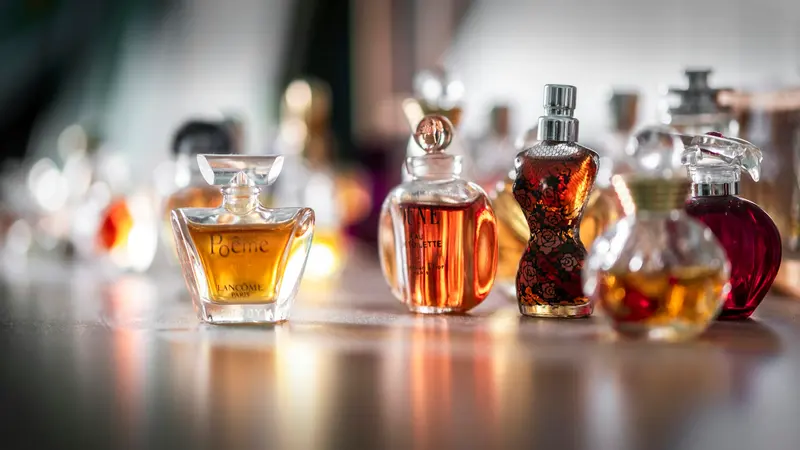
- Spray on skin, not just on a paper strip. Your body chemistry changes the scent.
- Do not rub your wrists together, which can break down the top notes.
- Limit yourself to two or three scents per visit. Your nose tires quickly.
- Wait at least a few hours, ideally a full day, to experience the dry-down.
- Ask yourself how it makes you feel. Comfort, confidence and joy are good signs.
- Test in the season you will wear it. Heavy scents can be overwhelming in summer heat.
Save money without settling
- Discovery sets and minis. Many brands sell small sample sets, which let you live with several scents before buying a full bottle.
- Decants. Some retailers sell smaller portions of popular perfumes. Buy from reputable sellers to avoid fakes.
- Buy larger sizes if you are sure. Price per millilitre falls with bigger bottles.
- Watch seasonal sales and gift sets. Sets often offer extras such as body lotion for the same price.
- Consider mass-market alternatives. Retailers such as Zara sell fragrances inspired by popular styles at a low price. They can smell lovely, though longevity and complexity vary.
Beware of fakes
Counterfeit perfumes circulate on marketplaces and social media. Warning signs include prices far below retail, poor packaging, misspellings, uneven liquid levels and a sprayer that feels flimsy. Buy from authorized retailers or directly from the brand. For more about avoiding counterfeits and scams, see our guide to spotting fake reviews and scams.
Storage and shelf life
Heat, light and humidity degrade perfume. Keep bottles in a cool, dark place, such as a drawer or wardrobe, rather than a sunny bathroom shelf. Most fragrances last three to five years, and some last much longer if stored well. If the scent turns sour or the color darkens noticeably, it may have turned.
Sensitivities and etiquette
Fragrance can trigger headaches or allergies for some people, and many workplaces and shared spaces ask you to go easy. Apply a couple of sprays rather than a cloud, and reapply sparingly. If you have sensitive skin, patch test before applying widely, or spray on clothing (test for staining first).
Gifting a fragrance
Scent is intensely personal, so gifting perfume can be risky. Choose a discovery set, a gift card or a scent you know they already wear. Our holiday gift guide under $50 has safer ideas as well.
The takeaway
Buy perfume slowly. Learn the concentrations, sample generously and give each fragrance a full day before deciding. The reward is a scent that feels like yours, and a bottle you will actually finish.
Product lineups, prices and availability change often. Check current specs and retailer terms before you buy. See our editorial policy and affiliate disclosure.