Levi's 501: The History, the Fits and How to Buy the Right Pair
From a rivet patent in 1873 to today's dozens of fits: everything you need to know about the world's most famous jeans, including sizing, care and vintage tips.
In this article
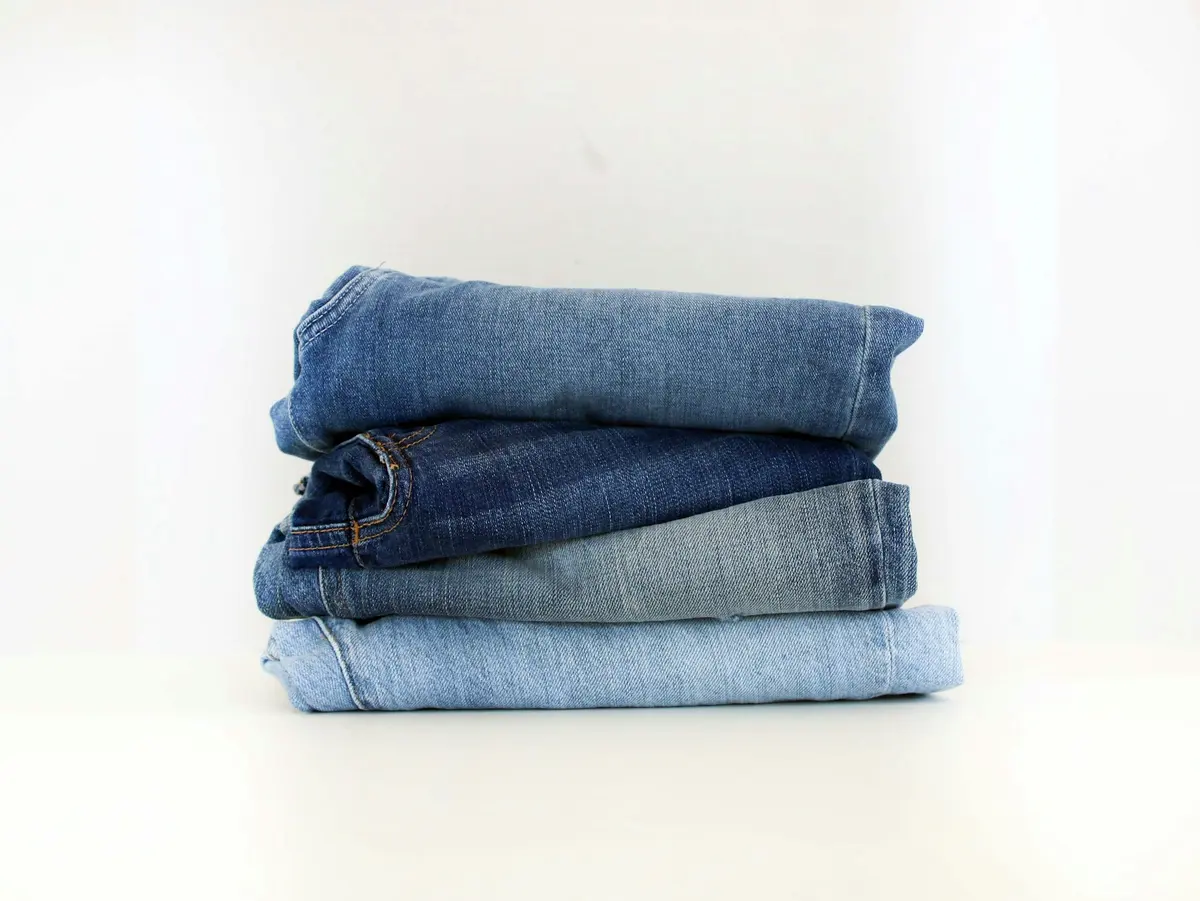
Some products are so familiar that we forget they were invented. The blue jean is one of them, and the Levi's 501 is its most recognisable form. Over roughly 150 years, the design has barely changed, and yet it keeps finding new wearers, from cowboys and factory workers to skaters, rock stars and office workers on casual Friday.
A very short history
Levi Strauss arrived in San Francisco during the Gold Rush and set up a dry-goods business in 1853. In the early 1870s, a tailor named Jacob Davis came up with the idea of reinforcing the stress points of work trousers with metal rivets. He needed a business partner to file for a patent, and he wrote to Levi Strauss. The two received a patent for the riveted design in 1873, an event widely regarded as the birth of blue jeans.
The pattern that became known by the lot number 501 followed in the 1890s, and it has been a bestseller ever since. Through the twentieth century, jeans moved from mining camps and farms into popular culture. By the 1950s they were a symbol of youthful rebellion, and by the 1980s and 1990s they had become a global wardrobe staple.
What makes a 501 a 501
- Button fly. The original design uses buttons rather than a zip, giving the jeans a classic look and a slightly more flexible fit.
- Straight leg. A relaxed thigh and straight leg, cut at a mid rise.
- Five pockets and rivets at stress points.
- The arcuate stitching on the back pockets, one of the oldest trademarks in fashion.
- The red tab stitched on the back pocket, first added in the 1930s.
Which fit is right for you?
Levi's makes many cuts, and the numbering system is not always intuitive. As a rough guide:
| Fit | What to expect | Good for |
|---|---|---|
| 501 Original | Straight through leg, regular rise | The classic look, all body types |
| Vintage-inspired cuts | Higher rise, narrower waist, tapered legs | Tucked-in tops, retro styling |
| Slim and tapered options | Narrower through the thigh and leg | A modern, sharper silhouette |
| Relaxed and baggy cuts | Loose through hip and thigh | Skate and 90s-inspired looks |
| Cropped versions | Ankle-length | Sneakers and boots |
The best way to buy is to try several styles. Waist and inseam numbers only tell part of the story, as rise and thigh room vary between models.
Shrink-to-fit vs pre-washed
Raw, unwashed denim, often labeled shrink-to-fit, is stiff and dark and will shrink in the first wash, sometimes by a size. If you buy these, follow the brand's guidance and consider buying a size up. Pre-washed and stone-washed jeans have already been softened and shrunk, so they fit closer to their labeled size right away and need less breaking in.

How to care for your jeans
Denim lovers argue about washing, but a few principles are widely agreed upon:
- Wash less. Spot clean stains and air out jeans between wears. Washing every few weeks is enough for most people.
- Turn them inside out to protect the surface color.
- Use cold water and a gentle cycle, with a detergent for dark colors.
- Skip the dryer. Hang-drying reduces shrinkage and wear.
- Repair early. A tiny hole in the crotch or pocket can be mended quickly before it spreads.
Buying vintage 501s
Vintage jeans have a following of their own, and you can find fascinating pieces at flea markets, thrift shops and online marketplaces.
- Look at the tab. Old tabs marked with a capital "E" ("Big E") date from before the early 1970s, and are generally more collectable than later versions.
- Check the construction. Selvedge edges, single-needle stitching and older hardware can indicate age.
- Check the size on the actual garment rather than the label, because vintage sizing and shrinkage vary.
- Inspect for damage, especially around the seat, crotch and hems.
- Be careful of fakes and heavily marked-up "vintage" pieces from dealers. Compare listings and ask for detailed photos.
For more on second-hand shopping, see our guide to thrift and resale shopping.
Alternatives worth trying
Wrangler and Lee have long histories of their own, and both make classic straight-leg jeans that are often cheaper. Brands such as Uniqlo, Carhartt WIP, Gap and specialist selvedge makers offer their own takes. Compare fabric weight, stitching and fit rather than the label.
Are they worth it?
A pair of 501s costs more than a fast-fashion pair, yet ownership costs usually work out lower. Sturdy fabric, replaceable buttons and repairability mean the jeans age well, and they resell easily. If you wear them a couple of times a week, the cost per wear quickly becomes trivial.
The bottom line
The 501 has lasted because it does one thing well: it is a durable, adaptable pair of pants that looks better with time. Find the cut that fits your body, care for them thoughtfully and you will have a wardrobe staple that ages as gracefully as any garment can.
Product lineups, prices and availability change often. Check current specs and retailer terms before you buy. See our editorial policy and affiliate disclosure.