Streetwear Brands Explained: From Stüssy to Supreme and Beyond
How surf shops, skate crews and Tokyo boutiques built a global fashion movement, and how to shop streetwear without overpaying for hype.
In this article
Streetwear began as a niche subculture and grew into one of the most influential forces in fashion. Its roots lie in surfing, skateboarding, hip-hop and punk, and its logic is simple: clothing as identity, sold in limited quantities, with a strong sense of community.
Today, the line between streetwear and luxury has blurred. Hoodies sell for hundreds of dollars, sneakers sell out in seconds and collaborations between skate brands and fashion houses generate headlines. If you are curious about the world, or just want to know why a plain T-shirt costs so much, here is a guide.
Where it started
- Stüssy. Shawn Stussy started signing surfboards in Laguna Beach, California, and in the early 1980s began printing his signature on T-shirts. The brand's "International Stüssy Tribe" of friends and collaborators across cities helped make it one of the first global streetwear labels.
- Skate and hip-hop culture. In the 1980s and 1990s, skate shops and hip-hop artists adopted certain brands and styles, from Vans to Nike and beyond, and the look spread through music and magazines.
- Tokyo's Harajuku scene. Labels such as A Bathing Ape, launched by Nigo in 1993, brought bold graphics and limited releases to a global audience.
The brands and what they represent
| Brand | Origin | Known for |
|---|---|---|
| Stüssy | California, 1980 | Surf-inspired T-shirts and graphic tees |
| Supreme | New York City, 1994 | Skate culture, box logo, weekly "drops" |
| A Bathing Ape (BAPE) | Tokyo, 1993 | Camouflage prints, shark hoodies, bold graphics |
| Palace | London, 2010 | Skate-inspired designs and humor |
| Carhartt WIP | Europe, 1990s | Workwear reimagined for street style |
| Kith | New York, 2011 | Retail experiences and high-profile collaborations |
| Off-White | Milan and Paris, 2013 | Designer streetwear, founded by Virgil Abloh |
| Nike and Jordan | Global | Sneakers, athletes and collaborations |
| Fear of God Essentials | Los Angeles | Minimal, oversized basics |
Ownership changes over time. Supreme, for example, was sold by its founders to VF Corporation in 2020 and then to EssilorLuxottica in 2024, a reminder that even the most anti-establishment brands can become part of large companies.
The "drop" model
Streetwear brands pioneered releasing small quantities of products at set times, creating anticipation and scarcity. Fans line up outside stores or refresh their browsers, and popular items sell out in minutes. The strategy builds excitement, but it has downsides. Resellers use bots to scoop up inventory and sell it at inflated prices, and regular fans can feel priced out.
The resale market
Platforms such as StockX and GOAT grew up around streetwear and sneakers, offering authentication services and a marketplace for limited items. Prices can rise well above retail for hyped releases and fall just as quickly when trends change. If you use these platforms, compare fees, understand the authentication process and set a maximum price before you bid.
For general advice on buying and selling used clothing, see our thrift and resale guide.
How to shop streetwear smartly
- Buy what you will wear. Hype fades but a good hoodie is useful for years.
- Focus on fit and fabric. Heavyweight cotton, solid stitching and a shape that flatters you matter more than a logo.
- Try before you buy if you can. Streetwear sizing can be oversized, boxy or slim, depending on the brand.
- Wait for restocks and sales. Many brands restock popular items, and end-of-season sales can be generous.
- Skip resale markups unless you have your heart set on a particular piece and the price is one you are happy with.
- Consider alternatives. Brands such as Carhartt WIP, Uniqlo collaborations and independent labels often offer similar looks for less.
- Care for your pieces. Wash cold, inside out and avoid the dryer to preserve prints.
Avoiding fakes
Counterfeits are rampant in streetwear. Prices that seem too good, unusual stitching, poor-quality tags and inconsistent logos are warning signs. Buy from the brand, authorized retailers and trusted resale platforms with authentication. Our guide to shopping scams explains how to protect yourself.
Sneakers: the gateway product
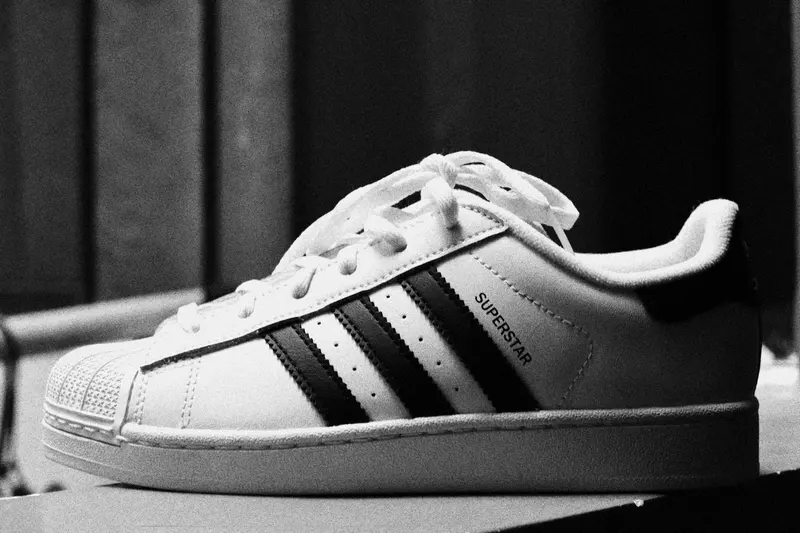
For many people, sneakers are the entry point. Models such as the Nike Air Force 1, Adidas Superstar and Converse Chuck Taylor have been fixtures of street style for decades. If you want to run in your sneakers rather than just wear them, see our Nike vs Adidas running shoe comparison.
The takeaway
Streetwear is at its best when it reflects a community and a point of view. Learn the stories, buy what you love and wear it your way. The culture was never about paying the most; it was about knowing what you like.
Product lineups, prices and availability change often. Check current specs and retailer terms before you buy. See our editorial policy and affiliate disclosure.